
 Deutsch
 Türkçe

For those who have dental veneers, the most important step before treatment is to ensure that the current oral and gum health is at an excellent level; after treatment, the most critical responsibility is to adopt special care habits that will protect the new smile. On the path to a successful aesthetic smile, accurate diagnosis before treatment and clarification of personal expectations lay the foundation of the result. After the treatment is completed, a meticulous care routine supported by regular dental check-ups is the key to preserving the aesthetics and health of porcelain or composite veneers for many years.
What Are Dental Veneers and What Do They Do?
You can think of dental veneers in their simplest form as leaf-thin, custom-made porcelain or composite shells that are bonded to the front surfaces of the teeth. So what do these veneers do? In fact, their primary purpose is not so much to provide structural support to your tooth or to treat it, but to mask existing aesthetic imperfections. In this way, they eliminate many issues that disturb your smile and give you a brand-new, aesthetic smile.
This method is a much more conservative approach compared to crown treatment (commonly known as a porcelain tooth), in which the entire tooth is reduced by cutting it down. Because in veneer application, only a very thin layer is removed from the front surface of the tooth, and sometimes nothing is removed at all. This means preserving the natural structure of the tooth to the maximum extent. It should be remembered that dental veneers are a permanent aesthetic procedure and must be performed by a specialist dentist in the field, with an accurate diagnosis and careful planning. Procedures performed by unqualified individuals can lead to irreversible serious health problems such as infection, nerve damage, or failure to detect an underlying decay.
How Many Types of Dental Veneers Are There?
The material and method to be used in dental veneer treatment is a decision you will make together with your dentist, according to your expectations, budget, and the condition of your teeth. Each option has its own characteristics:
- Porcelain Laminate Veneer (PLV): Considered the “gold standard” in aesthetic dentistry. These ceramic veneers, specially prepared in the laboratory according to the measurements of your teeth, are known for their durability and natural appearance. They perfectly mimic the way natural tooth enamel refracts and reflects light, which gives them an extremely lively and realistic appearance. They are highly resistant to staining and their color does not change over time. Although they provide the most satisfying long-lasting and aesthetic results, they are more costly than other options and require a certain amount of tooth surface reduction for application.
- Composite Resin Veneers (Bonding): In this method, tooth-colored aesthetic filling materials are applied directly to the tooth surface by the dentist and shaped. It is a more economical and faster solution that can usually be completed in a single session. One of its greatest advantages is that it can be applied with almost no or very minimal preparation of the tooth. This potentially makes the procedure reversible. In addition, small chips or wear that may occur in the future can be easily repaired. However, compared to porcelain, they are more prone to staining and discoloration and have a shorter lifespan.
- No-Prep Porcelain (Minimally Prepared Veneers): These are special ceramics that are much thinner than normal porcelain veneers and can therefore be applied without any reduction or with very minimal preparation of the tooth surface. This method is a great alternative for those who want to preserve the natural structure of the tooth. However, it is not suitable for every case. Its area of application is more limited, and if not well planned, it can cause the teeth to appear bulkier and more voluminous than they are.
- Removable Veneers (“Snap-On Smile”): This is actually not a permanent treatment method. It is an aesthetic appliance that fits over your existing teeth and can be inserted and removed whenever you want. It requires no intervention to your teeth. However, it may restrict functions such as eating and speaking. It is generally used as a temporary solution for short-term aesthetic expectations such as special occasions and photo shoots, or to see what kind of smile one would have before deciding on a permanent treatment.
What Is the Difference Between a Veneer and a Crown (Porcelain Tooth)?
There are actually fundamental differences between these two treatment methods, which are often confused by patients. Knowing these differences helps you understand which treatment is more appropriate for you.
Veneer:
- Applied only to the front surface of the tooth.
- Its primary purpose is aesthetic; to correct color, shape, or size.
- Very little tooth substance is removed; it is a highly conservative procedure.
- Generally preferred for healthy but aesthetically flawed front teeth.
Crown (Porcelain Tooth):
- Completely covers the tooth like a cap.
- Its primary purpose is to provide function and durability.
- Much more tooth substance is removed compared to a veneer.
- Used to protect root canal-treated teeth with excessive substance loss or teeth with a high risk of fracture.
In short, if your tooth is structurally sound but you are not satisfied with its appearance, a veneer may be more suitable for you. If your tooth is weakened and needs protection, then crown treatment should be considered.
Is Dental Veneer Treatment Suitable for Me?
Veneer treatment is a method that yields excellent results for many aesthetic problems, especially in healthy front teeth. If one or more of the situations below apply to you, you may be a good candidate for veneer treatment. Some situations where treatment is suitable for you include:
- Permanent Discolorations: Stubborn stains due to antibiotic use or fluorosis that cannot be resolved with teeth whitening.
- Discoloration After Root Canal Treatment: Teeth that have lost vitality and have turned gray or dark over time.
- Large and Discolored Fillings: Old and discolored fillings that disrupt the aesthetics of the front teeth.
- Shape and Form Irregularities: Small chips, cracks, or wear on the teeth.
- Congenital Anomalies: For example, lateral incisors that are small and conical (peg lateral).
- Gaps Between Teeth: Closing gaps known as “diastema,” especially between the front teeth.
- Mild Crowding: Bringing slightly crooked or rotated teeth, which are not at an advanced level, into a more regular alignment.
- Size Mismatches: Lengthening the teeth to create a more balanced and aesthetic smile line.
- Worn Enamel Surfaces: Reconstructing tooth surfaces worn due to acid erosion and similar reasons.
Who Is Veneer Treatment Unsuitable For?
The success of veneer treatment depends above all on correct patient selection. Performing the treatment perfectly is not sufficient on its own; your oral health must also be ready for this treatment. Otherwise, even the best-made veneers can fail in a short time. There are some situations in which veneer treatment is not recommended or should be postponed:
- Active Gum Disease: Bleeding, swollen, and inflamed gums.
- Advanced Gum Recession: Risk of veneer margins becoming exposed.
- Insufficient Enamel Tissue: Lack of sufficient enamel on the front surface of the tooth for bonding.
- Very Large Fillings: A large portion of the tooth consisting of filling material.
- Uncontrolled Teeth Grinding (Bruxism): Excessive forces that cause veneers to fracture.
- Advanced Crowding: Severe dental irregularities requiring orthodontic treatment.
- Poor Bite Relationships: Upper and lower teeth contacting in an unhealthy manner.
- Poor Oral Hygiene: Lack of regular brushing and flossing habits.
- Structurally Weak Teeth: Teeth that have lost their integrity due to large decays or fractures.
You can’t build a great house on an unstable foundation, right? Gum health is the foundation of your veneers. Before starting treatment, all gum problems must be resolved and your oral hygiene must be brought to an excellent level.
What Are the Steps Before Starting Veneer Treatment?
The secret of a successful veneer treatment lies in the meticulous planning phase performed before touching your teeth. This phase aims to guarantee the outcome of the treatment before it even begins by combining your expectations with the experience of your dentist.
- Aesthetic Smile Analysis and Design: This is the first and most important step. At this stage, not only your teeth but your face as a whole is evaluated. Many factors are analyzed, such as your facial features, the position of your lips during smiling, the level of your gums, and the current color, shape, and size of your teeth. In a detailed consultation with your dentist, it is very important to clearly discuss what kind of smile you envision and what bothers you about your current smile. This dialogue draws the roadmap of the treatment.
- Diagnostic Wax-Up (Trial Model): This is the stage where what has been discussed and planned becomes concrete. An impression of your teeth is taken, and on the model obtained from this impression, the dental technician shapes your planned new smile in wax. This wax model is virtually a three-dimensional preview of the treatment. In this way, before any procedure is performed on your teeth, you can see how the finished treatment will look and request changes.
- Intraoral Mock-Up (Test Drive): This is perhaps the most exciting stage. The smile design prepared on the wax model is applied directly to your mouth and teeth using a temporary material. No reduction is made to your teeth during this procedure. It is like a “test drive” of your new smile. You can see your new teeth in the mirror and experience live how it affects your speech and lip support. The moment when everything satisfies you and you give final approval is the moment when you are ready to move on to the clinical phase of treatment.
Which Is Better: Porcelain Veneer or Composite Veneer?
There is no single correct answer to this question. The “better” option is the one that best suits your priorities and expectations. To help you decide, let’s compare the two materials.
- Porcelain Veneers are a better option if your priority is longevity, maximum resistance to staining, and the most natural aesthetic appearance. They maintain their color and shine for years. However, they have a higher initial cost and are an irreversible procedure.
- Composite Veneers may be better for you if you are looking for a more economical, quick, and conservative solution. They are usually completed in a single session and involve very little intervention to the tooth. Their reparability is also a major advantage. However, they are more prone to color change over time and have a shorter lifespan compared to porcelain. Your dentist will guide you to the most suitable material by evaluating your oral structure and expectations.
What Will Be Done to My Teeth During Veneer Treatment?
After the planning phase is completed and agreement is reached on everything, the clinical application phase begins. This process is usually completed in two sessions.
- First Session: Preparation and Impression
In this session, the teeth are first prepared. Preparation is the process of removing a very thin layer (usually between 0.3–1.0 mm) from the front surface of the tooth to make room for the porcelain veneer. This procedure is performed with precision using guides obtained from previously prepared trial models, in a way that minimizes harm to the tooth. After the teeth are prepared, an accurate impression of the teeth and surrounding tissues is taken. This impression is sent to the laboratory that will prepare your veneers. At the end of the session, custom temporary veneers are placed to prevent tooth sensitivity and provide an aesthetic appearance. You can continue your normal life with these temporary veneers.
- Second Session: Bonding (Cementation)
Approximately 1–2 weeks later, your custom-made porcelain veneers arrive from the laboratory. This session is the most sensitive and most important stage of the treatment. First, your temporary veneers are removed and your teeth are cleaned. Then, the permanent porcelain veneers are tried in before being bonded to your teeth. Color, fit, shape, and occlusion are carefully checked. Once everything is perfect and you are satisfied with the result, the bonding process begins. The tooth surfaces and the inner surfaces of the veneers are prepared with special solutions, and the veneers are permanently bonded to the teeth with a very strong, special adhesive (resin cement). This adhesive is cured with a special light source. Finally, excess cement at the margins is cleaned, polishing is performed, and your occlusion is checked one last time.
What Should I Pay Attention to in the First Days After Veneer Treatment?
Your treatment is complete and you have your new smile. The first 24–48 hours are important for your veneers to adapt to the teeth. There are some points you should pay attention to during this period:
- Numbness: If anesthesia was administered, avoid drinking hot beverages or eating until the numbness wears off completely.
- Nutrition: To allow the cement to reach full hardness, avoid very hard, sticky, or crunchy foods for the first 24 hours.
- Normal Sensations: It is normal to feel a slight tingling in your gums or temporary hot-cold sensitivity in your teeth.
- Oral Care: Brush and floss more gently during the first 24 hours.
- Bite Check: If you feel any high spots or discomfort in your bite, consult your dentist immediately to have this adjusted.
Why Does Tooth Sensitivity Occur After Veneers and How Does It Go Away?
Mild sensitivity after veneers is quite common and usually temporary due to the removal of a very thin layer from the tooth surface and the chemicals used during bonding procedures. This sensitivity usually decreases on its own within a few days to a few weeks. Here are some tips to help you get through this period more comfortably:
- Desensitizing Toothpastes: Use toothpastes containing active ingredients such as potassium nitrate.
- Warm Foods: Avoid extremely hot or very cold foods and beverages for a while.
- Soft Brush: Choose a soft-bristled toothbrush to avoid irritating your teeth and gums.
- Gentle Brushing: Brush gently in circular motions without applying pressure.
- Fluoride Mouthwashes: Neutral pH fluoride mouthwashes recommended by your dentist can strengthen the enamel.
If your sensitivity increases over time instead of decreasing, or turns into a throbbing pain, this is not normal and you should definitely consult your dentist.
What Should I Do to Prolong the Life of My Veneers?
Keeping your veneers as beautiful and healthy as on the first day for many years depends on the care you give them. Your veneers require meticulous care just like your own teeth. Remember, the veneer itself does not decay, but your own tooth tissue underneath and at the margins can. Therefore, oral hygiene is of vital importance.
- Regular Brushing: Brush at least twice a day with a fluoride-containing, non-abrasive toothpaste.
- Flossing: Be sure to clean the interdental areas and gum margins of the veneers with dental floss every day.
- Avoid Hard Objects: Do not crack shell nuts like hazelnuts or peanuts with your teeth; do not bite hard objects such as ice or pens.
- Do Not Use Teeth as Tools: Quit habits such as opening packages or tearing off tags.
- Night Guard Use: If you have a teeth grinding or clenching problem, use the night guard prepared for you by your dentist regularly every night.
- Professional Care: Visit your dentist regularly every six months for check-ups and have professional dental cleaning performed.
What Is the Average Lifespan of the Veneers Performed?
When properly applied and well cared for by the patient, dental veneers are quite long-lasting restorations. However, their lifespan varies depending on the material used.
- Porcelain Veneers: These veneers are considered a long-term investment. Their clinical lifespan usually varies between 10 and 15 years. In fact, scientific studies have shown that well-maintained porcelain veneers remain in the mouth successfully for 20 years and beyond.
- Composite Veneers: Due to the nature of the material, they are more prone to wear and staining and therefore have a shorter lifespan. On average, they have a lifespan of 4 to 8 years. At the end of this period, they usually need to be renewed or maintained with a comprehensive polish.
It should be remembered that these durations may be extended or shortened depending on the quality of the clinical application, your oral hygiene habits, and whether you keep parafunctional habits such as teeth grinding under control.
What Should I Do If My Dental Veneer Breaks or Falls Off?
Despite high success rates, as with any medical procedure, some problems may occur with veneers over time. If you experience a problem with your veneer, you should consult your dentist without panicking. The important thing is to accurately determine the cause of the problem. Some common types of failure are:
- Fracture or Cracking: May occur especially due to biting a hard food or a blow.
- Debonding (Falling Off): The veneer completely separates from the tooth surface.
- Marginal Discoloration: Staining occurs at the junction of the veneer and the tooth.
- Secondary Caries: Leakage at the margin of the veneer and decay of the underlying tooth.
If a small chip has occurred in your veneer, this can be easily repaired, especially in composite veneers. Small chips in porcelain veneers can sometimes be made aesthetically acceptable simply by polishing. However, if a large piece has broken or the veneer has completely fallen off, the best solution is usually to replace the veneer entirely. In this case, your dentist will not only replace the veneer but also investigate the cause of the problem. For example, if there is an underlying bite problem or an undiagnosed teeth grinding habit, making a new veneer without resolving this issue will cause the same problem to recur.
Can Veneers Harm My Gums?
This is one of the topics patients are most curious about. The answer is clear: A properly designed veneer, with margins compatible with the gums and bonded with the correct technique, does not harm your gums. On the contrary, the smooth and polished surface of porcelain tends to harbor less bacteria than natural tooth enamel, which can be an advantage for gum health.
However, if the margins of the veneer press on the gum, are over-contoured, or are placed too deep under the gum, it can cause constant irritation in that area. This facilitates plaque accumulation, leading to chronic gingivitis, bleeding, and over time, gum recession. Therefore, the two most important keys to maintaining the health of the gums around your veneered teeth are: first, that the treatment is performed by the dentist with respect for biological boundaries, and second, that you clean that area impeccably.
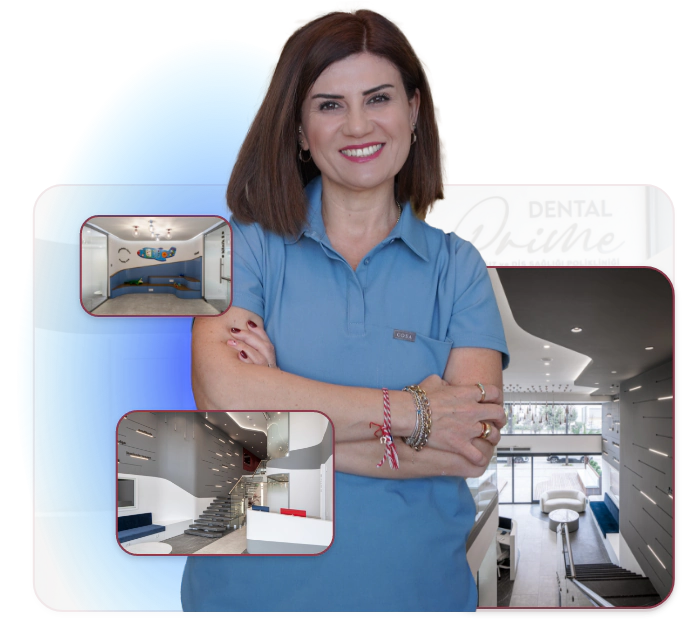
Pediatric Dentist Assoc. Prof. Dr. Sezin (Sezgin) Özer, who graduated from Samsun Bafra Anatolian High School and Hacettepe University Faculty of Dentistry, completed his PhD in Pedodontics at Ondokuz Mayıs University Faculty of Dentistry, Department of Pediatric Dentistry (Pedodontics). Between 2001 and 2018, he worked there as a research assistant, specialist, and faculty member. In April 2018, he left the university and started working in his own Pediatric Dental Clinic.