
 Deutsch
 Türkçe

Dental veneers are an aesthetic dentistry procedure that covers the front surface or the entire tooth to correct existing color, shape, or size imperfections, or to repair and strengthen structurally weakened teeth. This method is applied within a personalized smile design plan using biocompatible materials such as porcelain laminate or zirconia. Its main purpose is to conceal unwanted discolorations, gaps, wear, or fractures in the teeth, achieving a functional and aesthetic smile that looks natural. This procedure offers solutions ranging from minimal intervention on the natural tooth structure to full restoration.
What are the key differences between types of dental veneers?
When people think of dental veneers, two main methods usually come to mind: porcelain laminate (laminate veneer) and crowns (full coverage). Both can deliver excellent aesthetic and functional results, but the differences between them are significant, and understanding these differences helps in making the right decision for the future of your teeth. These two methods differ in philosophy and how much of the tooth they cover.
The basic distinction lies in their purpose and coverage. Porcelain laminate, as the name suggests, is a thin, leaf-like ceramic layer. Its primary aim is cosmetic. Bonded to the front surface of a structurally sound tooth, it changes the color, shape, or size, covering only the visible part of the tooth like a mask. The intervention on the tooth is minimal, usually involving the removal of only 0.3–0.7 mm from the front surface, which means the natural tooth structure is largely preserved.
A crown, on the other hand, completely covers the tooth like a cap, encasing it 360 degrees. Its purpose is not only aesthetic but, more importantly, to protect and strengthen a structurally weakened tooth. A tooth compromised by a large cavity, fracture, or root canal treatment is vulnerable to chewing forces. A crown restores the lost strength by encasing the tooth and preventing fractures. To achieve this protection, much more tooth structure must be removed from all surfaces compared to laminates. In short, laminates are based on the philosophy of “enhancing appearance,” while crowns are focused on “protecting and repairing.”
In which cases are porcelain laminate veneers preferred?
Porcelain laminate veneers are used when the tooth structure is intact but aesthetic imperfections are present. It aims to achieve maximum aesthetic results with minimal intervention on the natural tooth. If your teeth are generally healthy but you are dissatisfied with some details of your smile, porcelain laminate may be the right solution for you.
Porcelain laminate veneers are ideal for:
- Discolorations not corrected by whitening
- Tetracycline (antibiotic) stains
- Fluorosis (fluoride-related staining)
- Darkening after root canal treatment
- Gaps between teeth (diastema)
- Mild misalignments or crookedness
- Small chips or cracks on the tooth edges
- Worn teeth
- Disproportionately small or short teeth
- Misshaped teeth (e.g., “peg laterals”)
- Surface defects or irregularities in the enamel
When are crowns a necessity?
Crowns go beyond aesthetics and are often essential to preserve the health and function of a tooth. When the structural integrity of a tooth is compromised, laminates and other conservative options are insufficient. A crown completely encases the tooth, protecting it from external factors and chewing forces. In such cases, it is not merely a choice but often a necessity to keep the tooth functional.
Crowns are required in the following cases:
- Extensive decay that cannot be restored with a filling
- Large portions of a tooth being fractured
- Cracks in the remaining tooth structure due to chewing forces
- Root canal–treated teeth (especially posterior molars)
- Severely worn-down and shortened teeth
- Large, failing, or leaking restorations
- As abutments for dental bridges
- Prosthetics placed over dental implants
- Severe aesthetic or shape irregularities
Can everyone get dental veneers, or are there contraindications?
While dental veneers can provide excellent results, they may not be suitable for everyone. Success and longevity depend not only on the correct technique but also on the patient’s oral health and habits. Evaluating these risk factors before treatment is crucial to avoid future disappointments.
Situations where veneers may be contraindicated or require postponement include:
- Active gum disease: Conditions such as untreated periodontitis must be addressed first.
- Untreated cavities: Any decay in the tooth or neighboring teeth must be treated before veneer placement.
- Insufficient tooth structure: Crowns require adequate tooth tissue for retention. Severely broken teeth at gum level may not be restorable.
- Bruxism (tooth grinding): Uncontrolled bruxism poses a major risk, especially for porcelain laminates. Night guards are required post-treatment.
- Poor oral hygiene: Without proper care, veneers are at high risk of plaque accumulation, decay, and gum disease.
Which materials are used in dental veneers?
Material selection plays a vital role in the success of veneer treatment. Different materials offer different balances of strength and aesthetics. The choice depends on the tooth location, aesthetic expectations, and habits such as grinding.
For laminates:
- Feldspathic porcelain: Superior translucency, mimics natural enamel, highly aesthetic but fragile.
- Lithium disilicate (E.max): Popular due to excellent strength and aesthetics, usable for single crowns and short bridges.
- Zirconia laminates: High strength, useful for masking dark teeth, less translucent but very durable.
- Composite resin bonding: Directly applied in one session, conservative, cost-effective, easy to repair, but less durable and more prone to staining.
For crowns:
- Zirconia: Extremely strong, biocompatible, ideal for posterior teeth and bridges.
- Lithium disilicate (E.max): Superior aesthetics, suitable for anterior teeth, strong but less durable than zirconia.
- Porcelain-fused-to-metal (PFM): Traditional, durable, economical, but more opaque and can show metal lines at the gumline over time.
- Full metal (gold): Long-lasting, highly durable, gentle on opposing teeth, but not aesthetic—reserved for molars.
How does the veneer procedure work?
The process includes several stages and usually takes two or more appointments. It starts with a consultation and examination, where X-rays and digital smile design tools may be used. Once the plan is finalized, the teeth are prepared by minimal enamel reduction for laminates or more extensive shaping for crowns. Impressions are taken (either traditional or digital), and temporary veneers are placed. When permanent restorations are ready, they are tried in, adjusted for color and fit, and permanently bonded with special cements.
How is the correct shade chosen?
Perfect veneers must harmonize with the patient’s natural teeth and skin tone. Shade selection is based on hue, chroma, and value, with value (brightness) being the most noticeable difference. Traditional shade guides or digital spectrophotometers are used to ensure accuracy. Photos are often taken to record surface textures and nuances. External factors such as lighting, surrounding colors, and even makeup can influence the perception of shade.
What is the aftercare for new veneers?
The longevity of veneers depends largely on patient care. While veneers themselves do not decay, the underlying teeth and gums remain vulnerable. Essential care tips include:
- Brush twice daily with fluoride toothpaste.
- Use floss or interdental brushes daily, especially around the veneer margins.
- Avoid hard foods like nuts, ice, and candies.
- Stop habits such as nail-biting and pen-chewing.
- Wear a night guard if you grind your teeth.
- Use a sports mouthguard during contact sports.
- Rinse with water after consuming staining foods or drinks.
- Attend regular 6-month dental check-ups for maintenance and early detection of problems.
How long do dental veneers last?
The lifespan of veneers depends on the type of material used, the accuracy of the treatment, and the patient’s oral care habits. With proper care, veneers can remain functional and aesthetic for many years.
- Porcelain laminates: On average, they last between 10–15 years. With excellent care and protective habits (such as using a night guard), this can extend to 20 years or more.
- Zirconia and E.max crowns: Their durability is even greater, often lasting 15–20 years and sometimes longer.
- Composite veneers (bonding): These have a shorter lifespan, usually 3–7 years, because they are more prone to staining and wear.
Regular dental visits and professional cleanings help maintain the veneers in optimal condition. The better you care for them, the longer they will serve you without the need for replacement.
What problems may occur after veneer treatment?
Although veneers are generally a reliable and safe procedure, like any dental treatment, some complications or problems can arise.
- Sensitivity: Some patients may experience temporary sensitivity to hot and cold after tooth preparation. This usually decreases within a few days to weeks.
- Color mismatch: If the shade selection or bonding is not accurate, the veneers may look different from natural teeth. This is why precise shade determination is so important.
- Fracture or chipping: Porcelain laminates are thin and may chip if used incorrectly (such as biting hard foods). Crowns and zirconia are more resistant but still not unbreakable.
- Marginal leakage: If oral hygiene is poor, plaque and bacteria may accumulate at the veneer margins, leading to decay in the underlying tooth.
- Gum problems: Poorly fitted veneers can irritate the gums, causing redness and swelling. Proper fit and regular hygiene prevent this.
What are the advantages of dental veneers?
Dental veneers offer both functional and aesthetic benefits, which makes them one of the most popular treatments in modern dentistry.
- Provides a natural and aesthetic smile.
- Corrects shape, size, and alignment issues in teeth.
- Strengthens structurally weak teeth.
- Provides long-lasting results with proper care.
- Highly stain-resistant (especially porcelain laminates and zirconia).
- Minimal tooth reduction with laminates.
- Boosts self-confidence and enhances quality of life.
What are the disadvantages of dental veneers?
While veneers offer significant benefits, there are also some disadvantages that must be considered before deciding on treatment.
- Permanent procedure – once the tooth is prepared, it cannot return to its natural state.
- Costs are higher compared to fillings or whitening.
- Laminates are fragile and can fracture under improper use.
- Requires precise planning and a skilled dentist-laboratory team.
- Poor oral hygiene can shorten their lifespan.
How much do dental veneers cost?
The cost of dental veneers varies according to the type of material used, the number of teeth treated, the complexity of the case, and the clinic’s pricing policy. Generally speaking:
- Composite bonding: The most economical option, but shorter lasting.
- Porcelain laminates: Mid to high price range, but highly aesthetic.
- E.max and zirconia crowns: Higher in cost, but offer durability and aesthetic excellence.
- Gold or full-metal crowns: Less common today, with cost varying based on material value.
It is important to note that veneer treatment is an investment not only in aesthetics but also in oral health and overall self-confidence. Long-lasting results and high patient satisfaction make it a worthwhile treatment for many individuals.
How do veneers compare to alternative treatments?
Dental veneers are not the only option for improving smiles or restoring teeth. Depending on the case, other treatments may be considered:
- Teeth whitening: Suitable for discoloration but cannot correct shape or size issues.
- Composite bonding: Affordable and quick but less durable and aesthetic than porcelain laminates.
- Orthodontic treatment (braces or aligners): Corrects misalignment but does not change tooth color or shape.
- Full crowns: Required when teeth are structurally weak or significantly damaged.
The choice depends on your dental condition, aesthetic goals, and budget. A dentist will evaluate your situation and recommend the best option.
Can dental veneers be replaced?
Yes, dental veneers can be replaced when necessary. Since veneer treatment is an irreversible procedure (the tooth is permanently prepared), it is natural that they may need to be renewed after many years. Replacement is generally required in the following cases:
- Wear and tear: Over time, veneers may lose their shine or become worn.
- Fracture or chipping: A veneer that is broken or cracked needs to be replaced.
- Color change: While porcelain is resistant to staining, the underlying natural tooth may darken or gum levels may change, leading to color discrepancies.
- Decay of the underlying tooth: If decay occurs beneath the veneer, it must be removed, treated, and a new veneer made.
- Aesthetic reasons: As expectations change or with age, patients may request a different shade or design.
Replacement is often easier than the initial application since the teeth have already been prepared. However, it still requires precise planning and laboratory work.
What are the steps to prepare for veneer treatment?
Before veneer treatment begins, several preparatory steps are taken to ensure long-term success:
- Comprehensive examination: Teeth, gums, and jaw structure are evaluated.
- X-rays: Used to assess the roots and bone structure.
- Oral hygiene control: Any existing decay or gum disease must be treated first.
- Patient expectations: Discussing what the patient wants aesthetically and functionally.
- Mock-up or digital smile design: A temporary simulation of the final appearance can be made.
These steps help the patient clearly understand what results to expect and ensure the dentist creates the most appropriate plan.
What is the role of digital technology in veneer treatment?
Digital technology has revolutionized veneer and aesthetic dentistry in recent years. The biggest advantage is achieving faster, more precise, and more predictable results.
- Digital scanning: Instead of traditional impressions, intraoral scanners provide a comfortable experience and highly precise digital models.
- CAD/CAM technology: Veneers and crowns can be designed and milled from porcelain or zirconia blocks on the same day.
- Digital smile design: Computer simulations allow patients to preview their new smile before treatment begins.
- 3D printing: Temporary models and guides can be quickly and accurately created.
These technologies shorten treatment time, reduce error margins, and increase patient satisfaction.
How does veneer treatment affect psychological and social life?
Veneer treatment not only improves oral health and aesthetics but also significantly enhances quality of life. Many patients report dramatic changes after achieving their dream smile.
- Boost in self-confidence: A bright, symmetrical smile allows individuals to express themselves more freely.
- Positive social interactions: Smiling becomes more comfortable, leading to better first impressions.
- Professional advantages: In many professions, an attractive smile is associated with reliability and success.
- Psychological well-being: Correcting a feature that causes aesthetic concern reduces stress and increases happiness.
For these reasons, veneer treatment is often considered not just a cosmetic dental procedure but also an investment in overall life satisfaction.
What are the most frequently asked questions about dental veneers?
Patients considering dental veneers often have similar concerns and questions. Here are some of the most common ones:
- Is veneer treatment painful?
No. Veneer preparation is performed under local anesthesia and is generally painless. Some patients may feel mild sensitivity afterward, but this is temporary. - How long does the veneer process take?
Depending on the number of teeth and the technique used, it usually takes 2–3 appointments over 1–2 weeks. With CAD/CAM technology, it can sometimes be completed in a single day. - Will my veneers look natural?
Yes. When properly planned and executed, veneers can be indistinguishable from natural teeth. Material selection and precise color matching play a key role. - Do veneers stain?
Porcelain laminates and zirconia are highly stain-resistant. However, composite veneers are more prone to discoloration over time. - Can veneers fall off?
Rarely. If the bonding protocol is done correctly and oral care is maintained, veneers remain securely in place for many years. In rare cases of trauma or bonding failure, they may loosen. - Are veneers permanent?
Since some enamel is removed during the procedure, veneers are considered a permanent treatment. Once applied, they can only be replaced, not removed to return to the original teeth. - Do veneers require special care?
They do not require extraordinary care, but regular brushing, flossing, avoiding hard objects, and routine dental visits are essential for longevity. - Are veneers suitable for everyone?
Not always. Patients with untreated gum disease, insufficient tooth structure, or severe bruxism may not be ideal candidates until these issues are addressed.
Conclusion
Dental veneers are one of the most effective ways to achieve a healthy, aesthetic, and confident smile. Whether with thin porcelain laminates that minimally alter the natural tooth or durable zirconia crowns that strengthen weakened teeth, veneers offer both functional and cosmetic solutions. Success depends on choosing the right type of veneer, accurate planning, a skilled dental team, and the patient’s commitment to proper care. When all these factors come together, veneers not only transform teeth but also enhance overall quality of life.
In short: With the right approach, veneers are not just a dental treatment but an investment in health, aesthetics, and self-confidence.
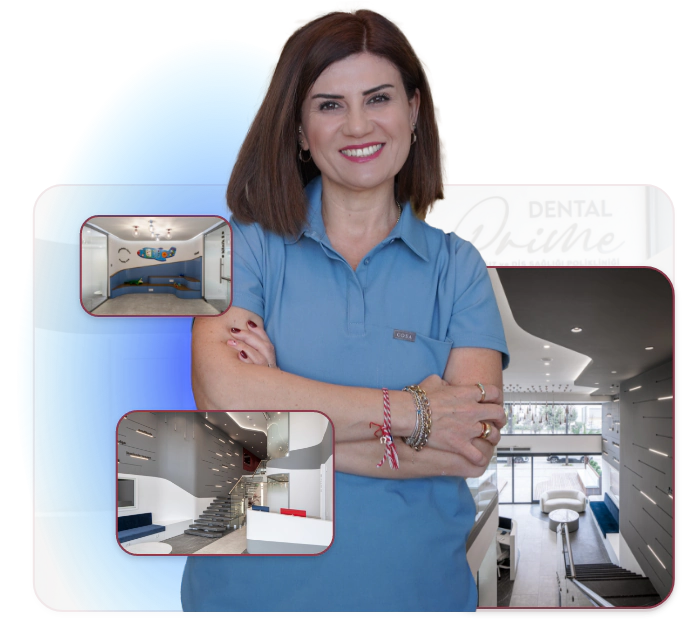
Pediatric Dentist Assoc. Prof. Dr. Sezin (Sezgin) Özer, who graduated from Samsun Bafra Anatolian High School and Hacettepe University Faculty of Dentistry, completed his PhD in Pedodontics at Ondokuz Mayıs University Faculty of Dentistry, Department of Pediatric Dentistry (Pedodontics). Between 2001 and 2018, he worked there as a research assistant, specialist, and faculty member. In April 2018, he left the university and started working in his own Pediatric Dental Clinic.