
 Deutsch
 Türkçe

Pediatric dentistry (pedodontics) is a specialty that approaches the oral and dental health of individuals from infancy to the end of adolescence in a holistic way. This discipline not only treats cavities but also ensures the healthy development of primary teeth, guides proper jaw growth, and provides a smooth transition to permanent teeth. Its core philosophy is to establish a lifelong positive perception of the dentist and a solid foundation of oral health in the child through preventive practices and the introduction of correct habits at an early stage. This approach focuses on preventing complex problems in the future.
Why is pediatric dentistry (pedodontics) such a special field?
The main feature that distinguishes pediatric dentistry from other branches of dentistry is that it focuses not on a specific treatment but on an entire age group. This specialty, also known as pedodontics, is dedicated to the oral and dental health of infants, children, adolescents, and individuals requiring special care. The approach is not only to treat a single tooth but to holistically care for an individual during their most rapid and sensitive developmental phase.
A specialist in this field, a pedodontist, completes an additional three years of advanced training on top of general dental education. This education goes far beyond standard dental training. Pedodontists receive in-depth training to understand not only children’s teeth but also their small worlds. Some core areas of this education include:
- Child psychology and behavior management techniques
- Radiology (X-ray) specific to growing jaws and facial structures
- Pediatric pharmacology (medications suitable for children)
- Treatments specific to primary and young permanent teeth
- Management of oral and facial trauma in children
- Close monitoring of growth and development
- Preventive dentistry practices
Thanks to this training, a pedodontist can respond to the child’s ever-changing physical and emotional needs in the best possible way. During treatment, they maintain constant communication with pediatricians and other medical specialists, ensuring comprehensive care that takes the child’s overall health into account.
What stages does a child’s dental development go through, and what role does pediatric dentistry play in this process?
Children’s dental health journey consists of dynamic stages, each requiring different care and approaches. Understanding this developmental process is essential for timely and accurate interventions.
Infancy (Around 6 – 12 Months)
This period is usually when the first primary tooth erupts. All professional organizations emphasize that a child’s first dental visit should occur within six months after the first tooth eruption, and no later than their first birthday. The goal of this first visit is not treatment but introduction and education. During this visit, parents are given invaluable guidance: how to wipe the baby’s gums with a clean cloth, how to manage discomfort caused by teething, proper nutrition habits, and prevention of Early Childhood Caries (commonly known as “baby bottle tooth decay”). This stage is also when the importance of primary teeth is explained, highlighting that they are not only essential for chewing but also for speech development and as natural “space maintainers” for incoming permanent teeth.
Early Childhood (2 – 6 Years)
By this age, the mouth becomes more complex as all primary teeth have erupted. Pediatric dentists closely monitor the growth of teeth and jaws, detect potential problems early, and continue applying preventive methods together with families. The effects of habits like pacifier or thumb sucking on dental structures are discussed and managed during this stage. Additionally, these years offer a golden opportunity to establish a positive relationship with the dental environment. Playful, non-threatening checkups and professional cleanings ensure that children approach future dental visits with trust instead of fear.
Adolescence (12 – 18 Years)
Adolescence is the period when nearly all permanent teeth have erupted. The focus shifts to preserving permanent teeth health and achieving proper occlusion. The status of wisdom teeth, potential impaction risks, and crowding are assessed at this stage. The need for orthodontic treatment usually becomes clear during these years. Since adolescents have greater control over their nutrition and hygiene habits, reinforcing positive routines and maintaining motivation are crucial. While most young adults are referred to general dentists after age 18, the trust-based relationship with a pedodontist may continue, especially in cases requiring special care.
What is the pediatric dentistry approach to the oral and dental health of children with special needs?
The care of children with special needs (SNC) is an integral and fundamental part of pediatric dentistry. This is not an additional service but an inherent responsibility within the specialty itself. Children with physical, developmental, intellectual, sensory, or behavioral differences require care and attention tailored specifically to them, beyond standard dental practices.
The advanced training pedodontists receive equips them to communicate and treat these children effectively. This training includes advanced behavior management techniques, the ability to provide safe and effective care under sedation (using calming medications) and general anesthesia. For children who may struggle to cooperate in a traditional dental chair, the ability to complete treatment safely is paramount. A pedodontist evaluates the child’s medical history and condition holistically and adapts treatment procedures and communication to the child’s unique needs. Therefore, this specialty is defined not only by the age of the patients it serves but also by its ability to safely manage children with complex medical conditions and behavioral challenges.
What does the concept of a “dental home” mean, and why is it so important in pediatric dentistry?
The term “dental home” carries a meaning far deeper than just a pleasant expression. It represents a strategic clinical philosophy that fundamentally changes how children perceive oral and dental health. This philosophy aims to transform dentistry from a place visited only when there is a problem (such as pain or cavities) into a “health center” that continuously supports, protects, and enhances a child’s well-being.
The recommendation to establish this relationship by the child’s first birthday is no coincidence. This proactive timing ensures intervention before the peak incidence of Early Childhood Caries, one of the most common childhood oral diseases. Thus, the “dental home” evolves from a treatment facility into a health management hub. It is a public health strategy integrated into clinical practice, aiming to prevent diseases before they develop or progress. Adopting this model shifts the dentist’s role from being a reactive “treating provider” to a proactive “guide” in the child’s lifelong oral health journey.
When and how should my child’s first dental visit take place?
A child’s introduction to professional oral and dental care forms the foundation of all preventive approaches. Guidelines clearly state that this first visit should occur within six months of the first tooth eruption and no later than the child’s first birthday. This early encounter is a proven public health measure that reduces the prevalence of Early Childhood Caries. It also establishes a strong foundation for a lifelong positive dental relationship and preventive care habits.
The focus of this first visit is not on therapeutic interventions but on diagnosis and education. It includes a careful examination of hard and soft tissues, a Caries Risk Assessment (CRA) that provides insight into the child’s future oral health, and comprehensive preventive guidance for parents. This initial meeting incorporates dentistry into the child’s and family’s life as a natural, accessible, and family-centered component.
What is caries risk assessment in pediatric dentistry, and why is it so critical?
Caries Risk Assessment (CRA) is essentially a roadmap of modern pediatric dentistry. The main goal of this analysis is to scientifically predict a child’s likelihood of developing new cavities within a certain timeframe and to identify the specific factors causing that risk. This process allows for the creation of a personalized preventive and treatment plan tailored to each child’s unique needs. Since a child’s risk status may change over time due to factors such as diet, hygiene practices, or general health, this analysis must be repeated at regular intervals.
When conducting this assessment, the dentist systematically evaluates various factors to determine the child’s risk level (Low, Moderate, or High).
The main risk factors considered include:
- Presence of active cavities in the mother or primary caregiver
- Low socioeconomic status or limited health literacy
- Frequent sugary snacking between meals
- Use of bottles filled with sugary liquids
- Special health needs that make oral hygiene difficult
- Clinical findings observed during examination also play a key role in determining risk.
- Visible plaque accumulation on teeth
- Developmental defects in tooth enamel
- Low salivary flow rate
- Presence of orthodontic or other appliances in the mouth
Fortunately, there are also protective factors that can reduce risk:
- Consumption of fluoridated drinking water
- Daily use of fluoridated toothpaste
- Regular professional fluoride applications
- Routine dental checkups
- Finally, signs showing active disease, which are the strongest predictors of future cavities, are assessed:
- “White spot lesions” indicating early-stage cavities
- Visible cavities (caries)
- Presence of fillings placed within the last two years
The dentist combines all these factors with clinical experience to assign a risk category for the child. This risk level then determines all subsequent steps: how often the child should return for checkups, whether X-rays are needed, and which preventive applications should be performed and how frequently.
Is it safe for children to have dental X-rays, and when does a pediatric dentist find them necessary?
The use of dental X-rays in children is strictly guided by the ALARA principle, which stands for “As Low As Reasonably Achievable.” This principle ensures that the minimum necessary radiation exposure is used to obtain essential diagnostic information. X-rays are never used as a routine screening tool; rather, they serve as valuable diagnostic aids that complement clinical examination. The decision to take an X-ray is made individually for each child, based on medical and dental history, clinical findings, and caries risk assessment.
For example, in a new patient whose teeth are closely aligned and interproximal surfaces cannot be examined clinically, “bitewing” X-rays may be required to detect hidden cavities. In contrast, a child with spaced teeth where all surfaces are easily visible may not need any X-rays. A child at high risk for cavities may require monitoring X-rays every 6–12 months, while for a low-risk child, this interval may be extended to 24–36 months.
Beyond routine checkups, there are also specific conditions where X-rays may be necessary:
- History of dental trauma or toothache
- Family history of dental anomalies (developmental defects)
- Suspicion of deep cavities
- Un-erupted or misaligned erupting teeth
- Swelling in the jaw or gums
- Unusual tooth mobility
- Abnormalities in jaw or facial growth
Modern digital technology allows the capture of high-quality images with very low doses of radiation. Additional protective measures, such as thyroid collars and lead aprons, make the process extremely safe.
What professional methods are used in pediatric dentistry to prevent cavities?
Based on the results of the Caries Risk Assessment, a personalized preventive program is created for each child. The foundation of this program typically includes professional cleaning, fluoride applications, and fissure sealants.
Professional cleaning (prophylaxis) involves removing plaque, stains, and tartar from the teeth. In children, this procedure serves functions beyond cleaning. Firstly, it allows the dentist to thoroughly examine all hard and soft tissues. Secondly, for young or anxious children, it provides a gentle, non-threatening way to get accustomed to dental instruments. The frequency of professional cleanings depends on the child’s individual needs and plaque accumulation rate.
- Fluoride Application
Topical fluoride professionally applied has been scientifically proven to be one of the most effective tools for cavity prevention. Protocols vary depending on age and risk level.
For Children Under 6 Years: The safest option is fluoride varnishes due to the risk of swallowing. Applied with a brush, varnishes dry quickly and provide long-lasting protection. Fluoride gels or foams are avoided in this age group due to ingestion risk.
For Children 6 Years and Older: In higher-risk cases, fluoride varnishes, gels, or prescription high-fluoride home-use products may be recommended. The frequency of application depends directly on the child’s cavity risk level. A child with moderate risk benefits from applications at least every six months, while for a high-risk child, intervals may be as short as three months.
- Fissure Sealants
The chewing surfaces of molars have deep pits and fissures that act like valleys where food and bacteria can accumulate, making them high-risk areas for cavities. Fissure sealants are highly effective in protecting these vulnerable surfaces. Studies show that sealants can reduce cavity occurrence in permanent molars by over 70%. Remarkably, when applied over very early-stage cavities (white spot lesions), sealants can even halt progression.
Sealants should ideally be applied as soon as molars erupt, before cavities start. This usually means around age 6 for the first permanent molars and around age 12 for the second permanent molars. Two main types of materials are used: resin-based and glass ionomer-based. Resin-based sealants last longer but require a perfectly dry surface during application. Glass ionomer sealants are more moisture-tolerant and have the advantage of releasing fluoride. The dentist decides which material is best based on the child’s cooperation and the eruption stage of the tooth.
Which filling materials does pediatric dentistry prefer for cavities in primary teeth?
The goal of restoring primary teeth is to repair the damage caused by cavities, preserve the remaining healthy structure, restore chewing function, and most importantly, maintain vitality so that the tooth can continue serving as a natural space holder for the permanent tooth underneath. The choice of filling material depends on the child’s caries risk, the size of the cavity, the expected lifespan of the tooth, and the child’s level of cooperation during treatment.
Studies show that the most common cause of failure in primary tooth fillings is not fracture of the material but rather new decay forming at the margins. This highlights the importance of how well the material seals the tooth rather than just its mechanical strength.
The main restorative materials used in primary teeth include:
- Stainless Steel Crowns (SSC)
- Resin-Modified Glass Ionomer Cements (RMGIC)
- Compomers
- Conventional Glass Ionomer Cements (GIC)
- Amalgam
- Composite Resin (White Fillings)
When comparing success rates, Stainless Steel Crowns generally rank highest. They cover the entire tooth, providing the best protection against leakage and recurrent decay. SSCs are considered the “gold standard” for high-risk children or teeth with extensive decay. Next are glass ionomer-based materials and compomers, which release fluoride and offer additional protection. Composite resins (white fillings), although esthetic, require absolute dryness (isolation) during placement, making them technically more difficult in small children and prone to higher failure rates. The dentist evaluates all these factors to decide the most appropriate material for each tooth.
When does pediatric dentistry recommend crowns for primary teeth?
If a primary tooth has extensive decay, has undergone pulp therapy (nerve treatment), or has enamel developmental defects, a simple filling is insufficient. In these cases, a full coverage restoration (crown) is recommended to protect the remaining structure and ensure the tooth functions until its natural exfoliation.
Stainless Steel Crowns (SSC)
For decades, SSCs have been the most reliable and successful option for restoring posterior primary teeth. Their success and longevity in the mouth far outweigh large multi-surface fillings.
Advantages:
- Exceptional durability
- Cost-effectiveness
- Quick and straightforward application
Disadvantages:
- Metallic (silver-colored) appearance
Zirconia Crowns (White Crowns)
With growing esthetic concerns, zirconia crowns have been developed as tooth-colored alternatives. Zirconia is both highly esthetic and biocompatible.
Advantages:
- Superior esthetics
- High biocompatibility
- Retention rates similar to SSCs
Disadvantages:
- Require more tooth reduction compared to SSCs
- Higher cost
- More technique-sensitive placement
The dentist evaluates esthetic expectations, cost, and the condition of the tooth together with the family to decide on the most suitable crown type.
What is done instead of root canal treatment when decay reaches the pulp in a primary tooth?
If decay reaches the pulp (nerve tissue) of a primary tooth but irreversible inflammation or abscess has not yet developed, instead of a full root canal treatment, a procedure called vital pulpotomy is usually performed. The goal is not to remove all pulp tissue and fill the canals (as in permanent teeth) but to remove only the infected coronal portion while preserving the healthy pulp in the roots with special medicaments, allowing the tooth to remain vital.
The materials used in pulpotomy reflect the evolving philosophy of pediatric dentistry. In the past, the goal was to “mummify” or “fix” the pulp tissue with chemicals. Today, the modern approach is to promote healing and repair using biocompatible materials.
The main pulpotomy materials include:
- MTA (Mineral Trioxide Aggregate)
- Biodentine
- Ferric Sulfate
- Formocresol
- Calcium Hydroxide
Calcium silicate-based materials such as MTA and Biodentine are now considered the “gold standard” due to their excellent biocompatibility and ability to stimulate tissue healing. Formocresol, once widely used, has been almost completely abandoned due to concerns over potential side effects. Calcium Hydroxide, while useful in permanent teeth, is contraindicated in primary teeth due to high failure rates and root resorption.
What is preventive orthodontic treatment and why is it important in pediatric dentistry?
Preventive orthodontics (Phase I treatment) involves the early diagnosis and treatment of developing malocclusions during the primary or mixed dentition period (when both primary and permanent teeth are present). The main principle is to guide jaw and facial growth in the right direction while it is still active, thereby preventing more severe problems in the future. The American Association of Orthodontists recommends that every child should have an orthodontic evaluation by age 7 at the latest.
The primary goals of preventive orthodontic treatment include:
- Correcting skeletal problems such as narrow upper jaws
- Guiding permanent teeth into proper positions
- Creating or preserving space to prevent crowding
- Eliminating harmful habits like thumb sucking
- Reducing trauma risk to protruding front teeth
- Simplifying and shortening possible future comprehensive orthodontic treatment
For example, a posterior crossbite caused by maxillary constriction can often be successfully and permanently corrected with a simple palatal expander appliance during these early years.
Why should a space maintainer be placed when a primary tooth is lost prematurely?
Primary teeth serve as the perfect natural “space maintainers” for the permanent teeth developing beneath them. When a primary tooth is lost too early, usually due to deep decay, the adjacent teeth begin drifting into the empty space. The first permanent molar, in particular, tends to tip forward quickly. This loss of space prevents the permanent tooth underneath from erupting properly, leading to problems such as impaction, eruption in the wrong place, or crowding of other teeth.
Most of this space loss occurs within the first six months after extraction, making timely intervention critical. The decision to place a space maintainer is not automatic after every extraction. The dentist evaluates, often with X-rays, how long it will be until the permanent tooth erupts and its position within the bone. If eruption is expected to take longer than six months, a space maintainer is usually strongly recommended.
The main types of space maintainers include:
- Band and Loop (for unilateral single-tooth loss)
- Distal Shoe (when the second primary molar is lost before the first permanent molar erupts)
- Lower Lingual Holding Arch (for bilateral tooth loss in the lower arch)
- Nance Appliance / Transpalatal Arch (for bilateral tooth loss in the upper arch)
What should be done when decay reaches the nerve in a primary tooth instead of root canal treatment?
When decay reaches the pulp (nerve tissue) of a primary tooth but there are no signs of irreversible inflammation or abscess, instead of performing a full root canal treatment, a procedure called “vital pulpotomy” is usually preferred. The goal of this treatment is not to remove the entire nerve and fill the canals as in permanent teeth, but to remove only the inflamed coronal (crown) portion of the pulp while preserving the healthy pulp tissue in the roots with special medicaments, thus maintaining the vitality of the tooth.
The materials used in this procedure beautifully reflect the philosophy shift in pediatric dentistry. In the past, the aim was to “mummify” or “fix” the remaining pulp tissue with chemicals, whereas today the modern approach is to encourage the tissue’s healing and self-repair with biocompatible materials.
The main pulpotomy materials include:
- MTA (Mineral Trioxide Aggregate)
- Biodentine
- Ferric Sulfate
- Formocresol
- Calcium Hydroxide
Calcium silicate-based materials such as MTA and Biodentine are considered the “gold standard” today due to their excellent biocompatibility and ability to promote tissue healing. Formocresol, once widely used, has now been almost completely abandoned due to concerns over potential side effects. Calcium Hydroxide, on the other hand, is absolutely not used in primary teeth for this procedure as it has a high rate of failure and can cause root resorption.
What is preventive orthodontic treatment and why does pediatric dentistry emphasize it?
Preventive orthodontics (Phase I treatment) involves diagnosing and treating developing bite problems during the mixed dentition period (when both primary and permanent teeth are present). The main principle is to guide the child’s jaw and facial growth while it is still active, preventing the development of more severe problems later on. The American Association of Orthodontists recommends that every child undergo an orthodontic evaluation by the age of 7.
The primary goals of preventive orthodontic treatment include:
- Correcting skeletal issues such as maxillary constriction
- Guiding permanent teeth into their correct positions
- Creating or preserving space to prevent crowding
- Eliminating harmful habits like thumb sucking
- Reducing the risk of trauma to protruding front teeth
- Simplifying and shortening future comprehensive orthodontic treatment
For example, posterior crossbite caused by a narrow upper jaw can be effectively and permanently corrected with a palatal expander appliance at this age.
Why is it necessary to place a space maintainer when a primary tooth is extracted prematurely?
Primary teeth are the most perfect natural “space maintainers” for the permanent teeth developing underneath. When a primary tooth is lost prematurely, often due to severe decay, the neighboring teeth begin to drift into the empty space. In particular, the first permanent molar tends to move forward quickly. This leads to the loss of space needed for the eruption of the underlying permanent tooth, which may then fail to erupt, erupt in the wrong place, or cause crowding by pushing other teeth out of alignment.
Most of this space loss occurs within the first six months after extraction, so timely decision-making is critical. The placement of a space maintainer is not automatically recommended after every extraction. The dentist will evaluate with X-rays how long it will take for the permanent tooth to erupt and its position in the bone. If eruption is expected to take longer than six months, a space maintainer is usually strongly advised.
The main types of space maintainers include:
- Band and Loop (for unilateral single-tooth loss)
- Distal Shoe (when the second primary molar is lost before the first permanent molar erupts)
- Lower Lingual Holding Arch (for bilateral tooth loss in the lower jaw)
- Nance Appliance / Transpalatal Arch (for bilateral tooth loss in the upper jaw)
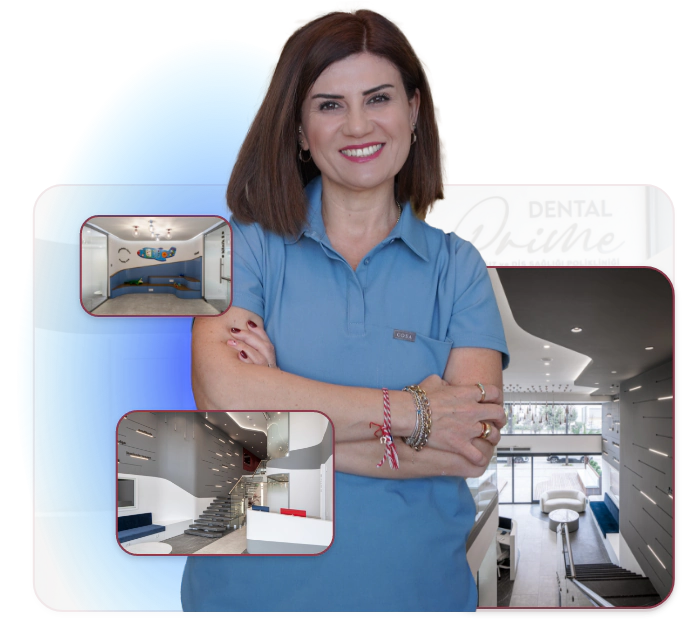
Pediatric Dentist Assoc. Prof. Dr. Sezin (Sezgin) Özer, who graduated from Samsun Bafra Anatolian High School and Hacettepe University Faculty of Dentistry, completed his PhD in Pedodontics at Ondokuz Mayıs University Faculty of Dentistry, Department of Pediatric Dentistry (Pedodontics). Between 2001 and 2018, he worked there as a research assistant, specialist, and faculty member. In April 2018, he left the university and started working in his own Pediatric Dental Clinic.