
 Deutsch
 Türkçe

Professional teeth whitening is the process of permanently lightening the natural shade of teeth by several tones using special medical gels. This safe aesthetic dental procedure aims to create a brighter, more vibrant, and attractive smile while preserving the structural integrity of the tooth. Beyond simply removing surface stains, it changes the internal shade of the tooth, resulting in a visibly lighter appearance. When performed under the supervision of a dentist, this procedure is one of the most effective ways to achieve a healthier, more confident smile that harmonizes with the face.
What Changes the Color of Our Teeth?
Have you ever wondered why some people are born with naturally whiter teeth while others have more yellowish shades? Just like our skin tone, the natural color of our teeth is part of our genetic heritage. This color results from a combination of the translucency of the outer enamel layer and the shade of the dentin layer beneath it. However, over time, this natural color can change due to various factors. Understanding these discolorations is the first step to correct treatment. They can be grouped into two main categories: extrinsic and intrinsic stains.
What Are Extrinsic Stains?
These are stains that adhere to the outermost surface of the tooth over time. They are usually directly related to our daily habits and diet. Think of tooth enamel as a porous sponge; the colored foods and drinks we consume cling to these pores and cause stains.
The most common causes of extrinsic stains include:
- Coffee
- Tea
- Red wine
- Dark-colored fruit juices such as cherry or pomegranate
- Cola and other colored, carbonated drinks
- Soy sauce
- Curry
- Turmeric
- Beetroot
- Tobacco products (cigarettes, cigars, hookah)
Such stains can usually be largely controlled with good oral hygiene and regular professional cleaning. However, if the stains penetrate deeply or a lighter tooth shade is desired, professional whitening becomes inevitable.
What Are Intrinsic Stains?
Intrinsic stains are quite different. These stains are embedded within the enamel and dentin layers, becoming part of the tooth’s structure itself. Therefore, they cannot be removed with brushing or professional cleaning. Such discolorations are usually caused by events occurring before or after the teeth erupt.
Causes of intrinsic discoloration before tooth eruption:
- Tetracycline Antibiotics: Especially during childhood, if these antibiotics are taken while teeth are forming, they integrate into the developing tooth. When the teeth erupt and are exposed to light, these molecules oxidize, causing permanent stains that often appear as horizontal bands in yellow, brown, or even blue-gray shades.
- Excessive Fluoride Intake (Fluorosis): Excessive fluoride intake through drinking water or supplements during tooth development disrupts proper enamel formation. This leads to appearances ranging from chalky white spots to brown discolorations and even pitting in severe cases.
- Genetic Disorders: Certain inherited conditions affecting enamel or dentin development (such as Amelogenesis Imperfecta or Dentinogenesis Imperfecta) result in teeth that are structurally weaker and more prone to discoloration.
Causes of intrinsic discoloration after tooth eruption:
- Trauma: A hard blow to a tooth can cause the pulp (the living tissue inside) to die. As the pulp tissue breaks down, iron and other blood components seep into the dentin, causing the tooth to turn gray, brown, or nearly black over time. This is the most common reason for a single tooth changing color.
- Aging: As years pass, natural color changes occur in our teeth. The outer enamel layer wears down and thins, making the naturally more yellow dentin underneath more visible. Also, because dentin continues to form throughout life, the inner layers of the tooth thicken, contributing to a darker and more opaque appearance.
- Old Dental Treatments: Some materials used in older root canal treatments or metal posts may corrode or leak into the dentin over time, causing the treated tooth to appear gray or discolored.
Correctly diagnosing the cause of discoloration is vital for the success of whitening treatment. Age-related yellowing responds very well to whitening, while tetracycline-induced blue-gray stains may require a much more challenging and prolonged treatment process.
How Does Teeth Whitening Work?
The science behind teeth whitening is actually quite simple: oxidation. Just as rust oxidizes metal, whitening agents oxidize the pigment molecules inside the tooth and change their structure. The two main agents used in this process are hydrogen peroxide and carbamide peroxide. Carbamide peroxide is a more stable form that slowly converts into hydrogen peroxide when it comes into contact with water. In both cases, the real active power comes from reactive oxygen molecules released during the breakdown of hydrogen peroxide.
Imagine the colored molecules inside your teeth as long, complex chains that absorb light, making your teeth look darker. When the whitening gel is applied to your teeth, the peroxide molecules penetrate the porous enamel structure. Once inside, they react with the pigmented chains and cut them into smaller, colorless fragments, just like scissors cutting a long chain.
These smaller molecules no longer absorb light as before; instead, they reflect more light. This optical effect makes the teeth appear whiter and brighter. So whitening does not “remove” anything from the tooth but makes existing pigment molecules “invisible.” This chemical transformation explains why the procedure is so effective and why professional supervision is essential.
What Are the Professional Teeth Whitening Methods?
For safe and effective whitening, dentists use two main methods: “In-Office Whitening,” performed in the clinic, and “At-Home Whitening,” applied by the patient under the dentist’s supervision. Sometimes, these two methods are combined to achieve faster and longer-lasting results. This combined approach is called “combination therapy.” Which method is most suitable for you is determined in consultation with your dentist, considering the condition of your teeth, your expectations, and your lifestyle.
How Is In-Office Teeth Whitening Performed?
As the name suggests, in-office whitening is a quick and effective method performed entirely in the dental chair, usually completed in a single session (about 1 hour). It is an excellent option for those who are short on time, do not want to deal with trays at home, or need fast results for a special occasion such as a wedding or graduation.
This method uses a whitening gel with a much higher concentration than home-based products. Such high concentration produces dramatic lightening of tooth color in a short period. However, applying such a powerful gel safely requires great precision and expertise. The first and most important step during the procedure is protecting the gums. A special light-cured protective barrier is carefully applied around the gums to prevent the gel from touching them. This ensures that the gel only acts on the tooth surfaces and completely prevents possible irritation.
Once the gums are protected, the whitening gel is applied to the front surfaces of the teeth. The gel is left on the teeth for 15–20 minute intervals and is usually reapplied 2 or 3 times during the session. Between each cycle, the old gel is removed and replaced with fresh gel. The dentist maintains full control throughout the procedure.
And what about the commonly heard blue lights or lasers? Many systems are marketed alongside special light sources that claim to accelerate whitening. However, current scientific evidence shows that using light in combination with modern, chemically active gels does not significantly improve the final whitening outcome. The instant extra whiteness created by the light is usually due to temporary dehydration of the tooth caused by the lamp’s heat. When the tooth regains its natural moisture in a few days, this “false whiteness” partially disappears. More importantly, using light can increase the risk and severity of sensitivity. For this reason, many modern dental approaches prefer light-free protocols to provide patients with a more comfortable experience and evidence-based, effective treatment. What brings success is not technology but the correct material applied with the right technique.
How Is At-Home Whitening Under Dental Supervision Done?
At-home whitening is a method often regarded as the “gold standard” by dentists due to its effectiveness, safety, and long-lasting results. This approach combines the professional oversight of a dentist with the comfort and flexibility of the patient’s home environment. Although slower than in-office whitening, its results are usually more stable and long-lasting.
The key to the success of this technique lies in custom-made transparent whitening trays. The process begins with your dentist taking an accurate impression of your teeth. Based on this model, thin and flexible trays are produced that fit your teeth perfectly, almost like a second skin. These customized trays are far superior to over-the-counter standard or “boil and bite” trays. They keep the whitening gel evenly on the tooth surface while preventing it from spreading onto the gums, thus minimizing irritation.
Your dentist provides you with these custom trays along with lower-concentration whitening gels (usually containing 10–22% carbamide peroxide). Carbamide peroxide is ideal for long-term home use because it releases hydrogen peroxide more slowly and in a controlled way. The typical steps a patient follows at home include:
- Applying a small drop of gel to the front surface of each tooth compartment in the tray.
- Carefully placing the tray onto the teeth.
- Removing excess gel that seeps out along the tray edges with a finger or cotton swab.
- Wearing the tray for the period recommended by the dentist (usually a few hours daily or overnight).
- Cleaning the trays with cold water after use and storing them in their case.
The treatment duration typically ranges from 1 to 4 weeks, depending on the gel concentration and the desired level of whitening. Although this method requires patience, it delivers gradual, natural, and long-lasting lightening of the tooth shade.
Which Teeth Whitening Method Lasts Longer?
One of the most frequently asked questions by patients is which method is more effective and longer-lasting. The common belief is that in-office whitening is “stronger,” but the reality is slightly different.
Scientific studies show that when applied correctly, there is no significant difference between in-office and at-home whitening in terms of the final shade of whiteness achieved. In other words, although the at-home whitening process takes longer, the final color obtained can be just as bright as that achieved with in-office whitening.
The real difference lies in the balance between speed and longevity:
- In-Office Whitening: Its greatest advantage is speed. In just one appointment, instantly visible results are achieved. This makes it ideal for urgent aesthetic needs.
- At-Home Whitening: Its greatest advantage is that results tend to be more stable and long-lasting.
So why does this difference in longevity exist? The high-concentration gels used in in-office whitening cause temporary dehydration of the tooth. This changes the tooth’s optical properties, making it look whiter than it actually is. As the tooth regains its normal moisture in the following days, some of this brightness naturally fades. In contrast, at-home whitening uses lower concentrations over a longer, gradual process, which creates a more stable chemical change in the tooth. As a result, the achieved shade is more likely to be maintained long-term.
Therefore, the question is not “which one is better?” but rather, “what is your priority?” Do you want quick results, or is time not an issue and longer-lasting whiteness your main goal? The answers to these questions will determine which method is right for you.
Is Teeth Whitening Safe for Everyone?
Although teeth whitening is an effective aesthetic procedure, it is not suitable for everyone. The safety and success of the procedure depend on selecting the right patients. That’s why if you are considering whitening, your first step should always be a comprehensive dental examination.
Ideal candidates for whitening usually have the following features:
- Healthy teeth and gums
- No active cavities
- No leaking or incompatible fillings
- Good oral hygiene habits
- Discolorations that are generally yellow, orange, or light brown in shade
- Realistic expectations about the results
However, there are certain cases where whitening is not recommended or where special precautions are needed. These include:
- Pregnancy and Breastfeeding: Since there is insufficient scientific data about the effects of whitening during these periods, the procedure is usually postponed as a precaution.
- Under 18 Years Old: Younger patients have larger pulp chambers (the space where the tooth’s nerve is located) and more permeable enamel. This increases the risk of sensitivity, so whitening is generally postponed until adulthood.
- Restorations on Front Teeth: This is one of the most important considerations. Whitening only affects natural tooth structure. Porcelain crowns, veneers, or composite fillings on the front teeth will not whiten. In such cases, natural teeth become lighter while restorations remain the same shade, creating a significant mismatch. Patients in this situation should plan to replace restorations after whitening to match the new tooth shade.
- Active Dental or Gum Disease: If there are untreated cavities or gum inflammation, whitening can worsen these issues and cause pain. These problems must be resolved before whitening is attempted.
- Severe Tooth Sensitivity: For patients with already sensitive teeth, whitening can intensify this condition. Such patients may require special, lower-concentration products and desensitizing measures.
- Peroxide Allergy: Although very rare, patients with allergies to whitening agents must not undergo treatment.
- Stains Difficult to Treat: Some intrinsic discolorations, such as tetracycline stains or genetic disorders, respond poorly to whitening. In such cases, your dentist may recommend alternative treatments (such as porcelain veneers) to achieve realistic results.
Are There Any Side Effects After Teeth Whitening?
Professional teeth whitening, when performed under the supervision of a dentist, is a very safe procedure. However, as with any medical or aesthetic treatment, there may be some temporary side effects. These are usually mild and disappear on their own shortly after treatment. There is no need to worry, as they are considered a natural part of the process.
The most common side effects include:
- Temporary Tooth Sensitivity: This is the most common side effect experienced by most people who undergo whitening. It usually feels like a brief, sharp sensation when exposed to cold air, or hot or cold food and drinks. This occurs because the whitening gel penetrates the tooth’s pores and temporarily stimulates the nerve. Sensitivity is usually most intense during the first few days of treatment and completely disappears within 1–3 days after the procedure ends.
- Mild Gum Irritation: This may occur if, in at-home whitening, the tray is accidentally overfilled with gel, or in in-office whitening, if a small amount of gel leaks past the protective barrier. This can cause temporary whitening of the gum or a slight burning sensation. It usually resolves on its own within a few hours and does not cause permanent damage.
How Is Whitening Sensitivity Managed?
If you experience sensitivity during or after whitening, there are many simple and effective ways to manage it and make the process more comfortable. Your dentist will also guide you during this period.
Some adjustments that can be made to the protocol include:
- Shortening Application Time: If you are using at-home whitening, you can wear the trays for a shorter time than recommended (for example, 1–2 hours instead of overnight).
- Reducing Application Frequency: Whitening every other day instead of daily gives your teeth time to rest and recover.
- Using a Lower-Concentration Gel: Your dentist may recommend a whitening gel with lower peroxide concentration to reduce sensitivity.
Products that can be used to prevent or reduce sensitivity include:
- Desensitizing Toothpastes: These contain active ingredients such as potassium nitrate, which calm the nerve endings and reduce pain. Starting to use this type of toothpaste 1–2 weeks before whitening and continuing throughout the treatment is very effective.
- Fluoride Gels or Varnishes: Your dentist can apply special fluoride products that strengthen enamel and block dentin tubules, thereby reducing sensitivity. They may also prescribe at-home products for you to use.
How Can I Maintain the Whiteness of My Teeth?
So, you’ve achieved your dream bright smile through professional whitening. But how can you keep the results lasting longer? The answer lies in post-treatment care and your daily habits.
The First 48 Hours: The “White Diet” Period
The first two days after whitening are the most critical. During this time, your teeth are temporarily more porous and therefore more vulnerable to new stains. For this reason, it is very important to follow a “white diet” during these 48 hours.
Foods and drinks to avoid during this period include:
- Coffee and tea
- Red wine
- Cola and other dark-colored sodas
- Tomato paste, soy sauce, pomegranate molasses
- Dark spices such as curry and turmeric
- Chocolate
- Dark berries such as blueberries, blackberries, and cherries
- Beetroot
Foods and drinks you can safely consume include:
- Water, milk, ayran (yogurt drink)
- White cheese, yogurt
- Boiled chicken, turkey, fish
- Plain rice or pasta (with light-colored sauces)
- Potatoes, cauliflower, mushrooms
- Bananas, peeled apples
Long-Term Maintenance Tips
After the critical first 48 hours, you can return to your normal diet. However, adopting certain habits will help preserve your whiteness for longer:
- Excellent Oral Hygiene: Brush at least twice a day and floss daily. This is the most effective way to prevent new surface stains.
- Smart Consumption: Use a straw when drinking stain-causing beverages like coffee or tea.
- Rinse Immediately: Rinsing your mouth with water right after consuming dark foods or drinks prevents pigments from sticking to your teeth.
- Avoid Tobacco: Smoking and other tobacco products are the biggest enemies of whitening results.
- Regular Professional Care: Visiting your dentist every six months for professional cleaning removes surface stains and keeps your smile bright.
- Touch-Up Treatments: Over time, teeth naturally undergo some color change. With your dentist’s recommendation, short touch-up sessions (such as wearing trays for a few nights once a year) can help maintain your results for years.
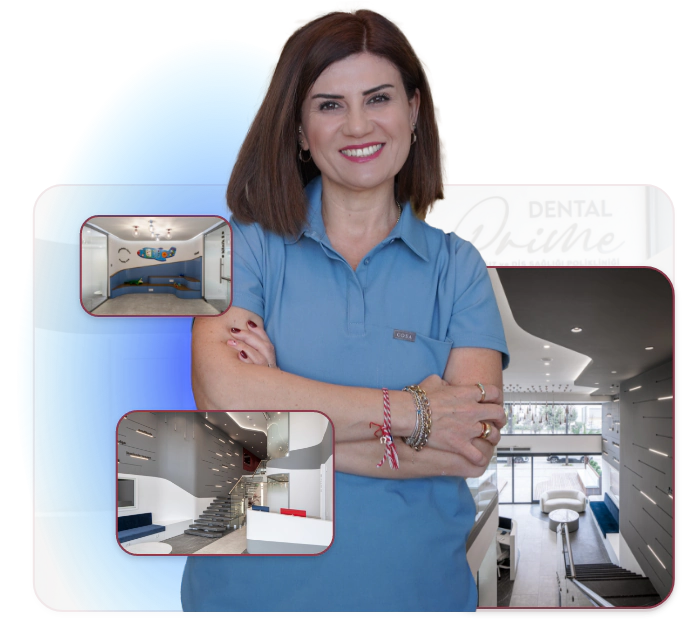
Pediatric Dentist Assoc. Prof. Dr. Sezin (Sezgin) Özer, who graduated from Samsun Bafra Anatolian High School and Hacettepe University Faculty of Dentistry, completed his PhD in Pedodontics at Ondokuz Mayıs University Faculty of Dentistry, Department of Pediatric Dentistry (Pedodontics). Between 2001 and 2018, he worked there as a research assistant, specialist, and faculty member. In April 2018, he left the university and started working in his own Pediatric Dental Clinic.